
Building a Legacy: How the Red Deer Chamber Shaped Our City – Part 2 of 3
Building a Legacy: How the Red Deer Chamber Shaped Our City – Part 2 of 3
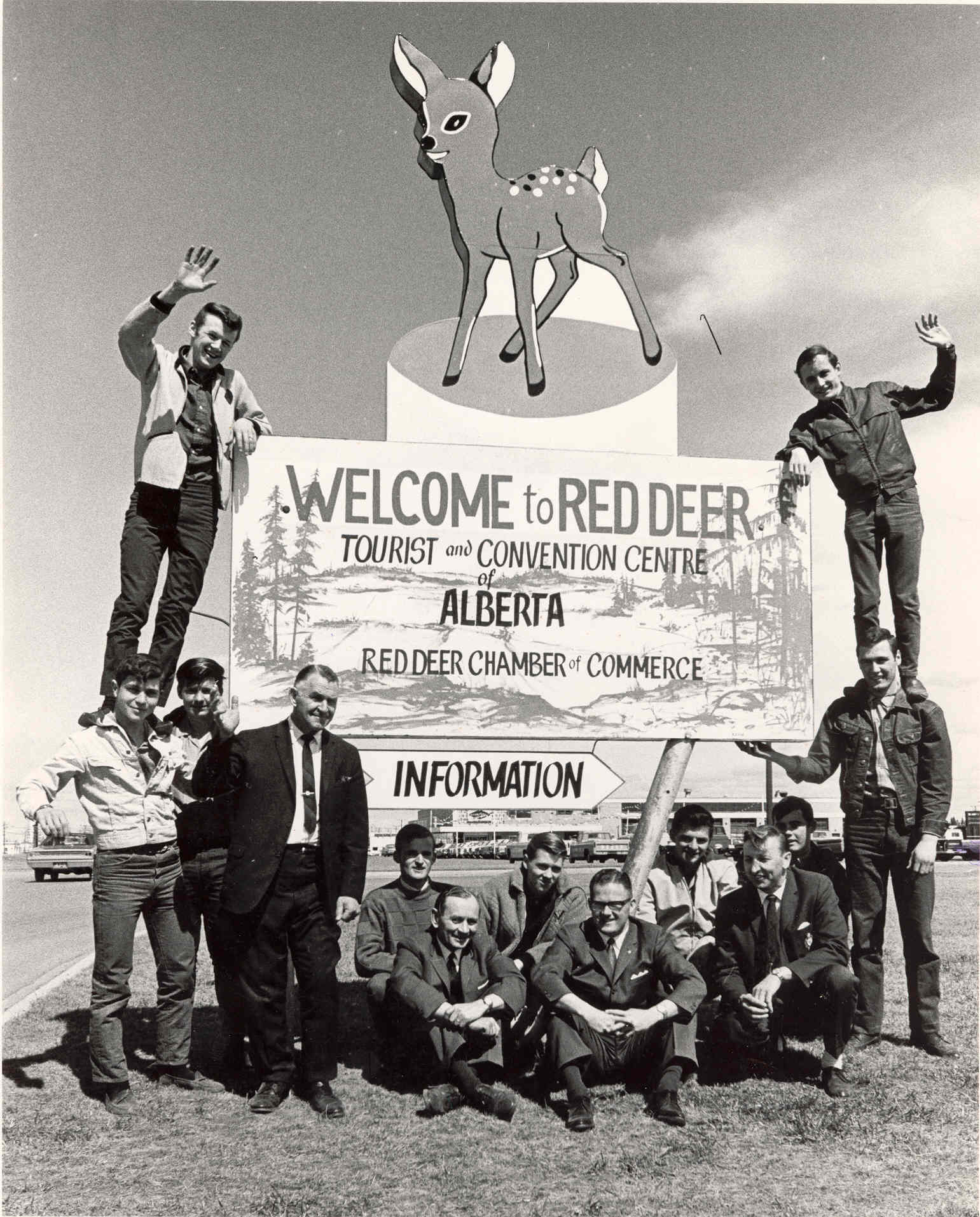
In Part 1 of this series, we explored the early years of the Red Deer Board of Trade and its role in shaping the foundation of our community from 1894 through the late 1940s.
In Part 2, we look at a period of transformation and growth when the organization evolved into the Red Deer Chamber of Commerce and expanded its impact across business, tourism, community development, and regional leadership from the 1950s through the late 1980s.
A New Name and a Growing Community
In 1953, following decades of growth and influence, the Red Deer Board of Trade officially became the Red Deer Chamber of Commerce, reflecting its evolving role in supporting businesses and economic development.
Just two years later, Red Deer was experiencing rapid expansion. By 1955, the city had between 11,000 and 12,000 residents and saw $3.8 million in building permits issued. A major oil discovery in the Burbank area fueled economic growth, bringing new industry, jobs, and opportunity to the region.
Supporting Tourism, Community, and Economic Development
In 1963, the Chamber established its permanent office and tourism centre on land donated by Norman Bower, a strategic location along Gaetz Avenue designed to capture the attention of travellers and promote the community.
Throughout the 1960s, the Chamber played a major role in community-building initiatives, including:
- Helping launch Red Deer’s first United Way campaign
- Introducing the “Red Deer Buck” to promote local industry
- Supporting major airshows at Penhold Airport
- Promoting tourism through visitor guides, distinctive red Stetsons, and promotional items like “little red deers”
Innovation, Fundraising, and Investing Back Into the Community
The 1970s marked a period of innovation and financial creativity. In 1971, the Chamber launched its first Stanley Cup Sweepstakes, which generated $30,000–$40,000 annually for five years. These funds were reinvested directly back into the community, including major contributions such as $100,000 toward the Westerner Park Exposition relocation.
The Chamber also established scholarship funds to support students across the Red Deer trading area, helping generations of young people pursue post-secondary education.
By 1975, the Chamber became an agent for the Western Canada Lottery Corporation. Financial success from this initiative enabled major community donations, including:
- $100,000 to the Red Deer Museum
- $50,000 to the Golden Circle
Leadership in Business, Education, and Industry
During the 1980s, the Chamber expanded its leadership role across multiple sectors.
In 1981, the Chamber worked with the Red Deer and District Museum and historian Michael Dawe to publish Red Deer: The Illustrated History, helping preserve and celebrate the city’s story. The Chamber also helped organize the Junior Achievement program locally, emphasizing youth entrepreneurship and workforce readiness.
In 1983, the Chamber launched its first Annual Meeting and Banquet recognizing community excellence. This event evolved into today’s Business of the Year Awards, now recognizing excellence across multiple business categories as well as young entrepreneurs and non-profits. That same year, the Chamber began publishing its bi-monthly magazine, which ran until 2012.
Driving Regional Economic Growth
In 1984, the Chamber became a major sponsor and later managing partner of the Agri-Trade Equipment Expo, which quickly became Red Deer’s largest trade show. Despite challenging weather during the first show, attendance reached approximately 8,000 people, establishing Agri-Trade as a major economic driver for the region.
The Chamber also helped create Redcap, a venture capital company designed to attract new industry and diversify the regional economy following economic downturns. By 1987, continued growth led to a major expansion of the Chamber building, supported in part by a $50,000 contribution from Junior Achievement — reflected today in the JA Boardroom.
Building Momentum for the Future
By the late 1980s, the Red Deer Chamber of Commerce had firmly established itself as a leader not only in business advocacy, but in community investment, youth development, tourism promotion, and regional economic growth.
Through creative fundraising, strategic partnerships, and forward-thinking leadership, the Chamber helped shape Red Deer into the thriving regional hub it is today.
